Early Life and Education
Suzi Egli Hanna emerged from New Jersey with a practical temperament and a teacherly disposition. She later carried those traits into public life with unusual steadiness. Her early path led to Muskingum College in Ohio, where she studied physical education and health. That academic choice mattered more than it first appears. It fused bodily discipline with human care, two qualities that later shaped her public presence.
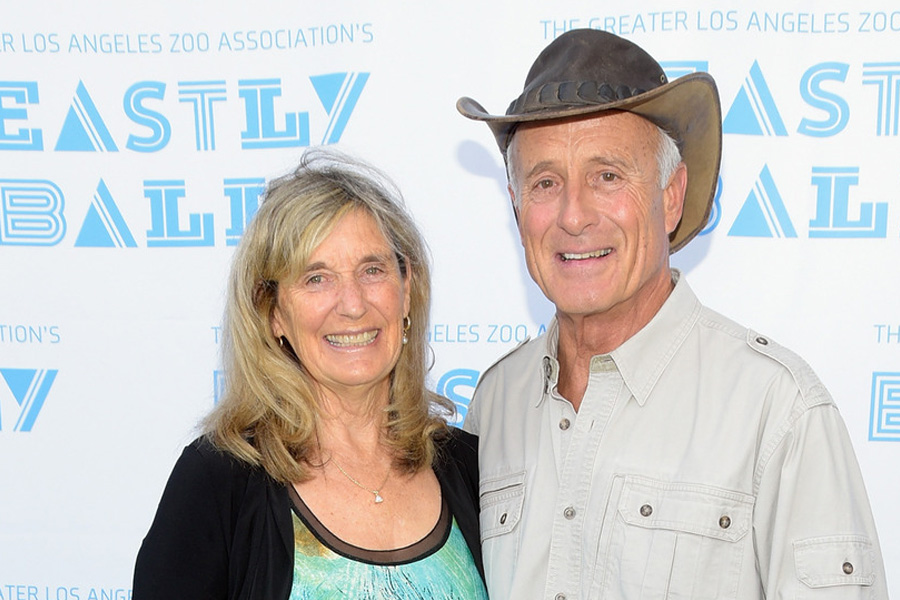
At Muskingum, she encountered Jack Hanna, a fellow student with exceptional energy and ambition. Their meeting created a partnership that would last for decades. In 1968, they married and began building a shared life around family, education, and wildlife advocacy. Their story was never merely domestic. It became a long collaboration with broad civic resonance.
Her educational background also gave her a pragmatic method of working. Physical education demands attention to movement, patience, and observation. Health education requires clarity, trust, and plain speech. Those habits proved useful far beyond a classroom setting. They became part of her manner in front of cameras, crowds, and children.
Marriage and Family Life
Suzi’s marriage to Jack Hanna developed into a durable alliance. Their union joined temperament with mission. He supplied forceful public charisma, while she provided composure and continuity. That balance gave the family a dependable center. It also allowed their work to feel humane rather than theatrical.
Together they raised three daughters, each contributing in different ways to the family’s public and private story. Kathaleen, the eldest, appeared in family media and events. Suzanne, the middle daughter, joined travel and field activity more often. Julie, the youngest, faced severe health challenges early in life. Her experience underscored the family’s resilience.
Family life was not separated from public life. The household moved through new cities, production schedules, and zoo responsibilities. Even so, Suzi preserved a tone of calm order. That quality mattered in a life shaped by motion and visibility. It kept the family from becoming merely a media construct.
Over time, grandchildren expanded the household’s multigenerational texture. Animal stories, work obligations, and personal milestones mixed naturally. Suzi remained an anchoring presence through those changes. Her contribution was often quiet, yet it was structurally important.
Public Work and Television Presence
Suzi Egli Hanna was often described as being behind the scenes. That description is incomplete. She appeared on camera repeatedly across wildlife programming and family features. Her role helped translate field work into accessible public education. She gave the programs a human cadence.
Her presence in shows such as Jack Hanna’s Into the Wild and Jack Hanna’s Wild Countdown was especially useful. These programs depended on trust, timing, and emotional equilibrium. Suzi often supplied all three. She could stand beside the action without overwhelming it. That restraint made the educational message clearer.
Her background in physical education and health suited the demands of that work. Television fieldwork can be exhausting, erratic, and logistically demanding. It requires stamina and a service ethic. Suzi seemed comfortable in that setting. She understood how to keep a difficult day moving.
She also participated in school visits, community events, and conservation outreach. Those appearances mattered because they extended the family’s message beyond television. Children encountered wildlife education as a lived practice, not a studio artifact. Suzi helped maintain that bridge. She turned visibility into usefulness.
Family Media and Shared Mission
The Hanna family brand was never purely about spectacle. It was about making wildlife legible to ordinary households. Suzi helped sustain that purpose through careful framing and reliable participation. She understood that audience trust is cumulative. It is built by consistency, not flamboyance.
Her role often involved logistics, timing, and educational shaping. Those functions rarely attract headlines. They are still decisive in any successful public program. A segment feels effortless only when many invisible decisions have already been made. Suzi contributed to that invisible architecture.
The family work also depended on a subtle moral tone. Animal encounters were presented with excitement, but also with respect. Suzi helped keep that balance intact. She supported adventure without turning it into carelessness. That distinction gave the work its lasting value.
In retrospective and tribute programming, her influence remained visible. These programs often reflected on decades of conservation outreach. Suzi’s steadiness gave those stories coherence. She was part of the continuity that allowed the family legacy to endure.
Resilience in Hard Seasons
The Hanna family confronted serious hardship with uncommon restraint. Julie’s early health challenges required long-term care and perseverance. That experience shaped the family’s emotional life. It also revealed the depth of Suzi’s commitment. She helped center the family around dignity and endurance.
Later, Jack Hanna’s dementia diagnosis brought a different kind of trial. Suzi again stepped into a protective role. She became a spokesperson, guardian of privacy, and interpreter of the family’s decisions. That responsibility required tact and discipline. It also required great emotional intelligence.
Their choice to withdraw from public life reflected realism rather than retreat. They redirected attention toward health and family life in Montana. That shift preserved dignity in a difficult season. Suzi’s role was especially clear during this period. She helped convert private strain into measured public understanding.
This aspect of her life reveals more than personal loyalty. It shows an ethic of stewardship. She protected not only her family, but also the public memory of their work. That task demanded patience and firmness in equal measure. She met it with both.
Timeline of a Public Life
The broad timeline of Suzi Egli Hanna’s life can be tracked through several significant periods. Before 1968, she grew up in New Jersey and pursued her education in Ohio. In 1968, she married Jack Hanna after their time at Muskingum College. During the late 1960s and 1970s, the couple began their early animal work and family relocation pattern.
In 1978, the move to Columbus, Ohio marked an important chapter. Jack’s role at the Columbus Zoo gave the family a larger platform. Through the 1980s and 2000s, Suzi appeared in television programs and outreach work. The 2010s sustained that pattern through appearances, tributes, and community events. From 2019 onward, the family focused more closely on health and privacy.
| Period | Milestone |
|---|---|
| Pre 1968 | Suzi grows up in New Jersey and studies in Ohio |
| 1968 | Marriage to Jack Hanna |
| Late 1960s to 1970s | Early animal work and family relocations |
| 1978 | Columbus chapter begins |
| 1980s to 2000s | Television and educational outreach expand |
| 2010s | Continued appearances and tributes |
| 2019 onward | Family centered care and quieter public life |
That timeline shows more than movement across years. It reveals a life organized around sustained participation. Suzi did not build a career through singular spectacle. She built it through endurance, repetition, and alignment with a durable mission.
Quiet Influence and Public Character
Suzi’s influence was effective because it was seldom ostentatious. She understood the value of measured speech and careful presence. In media environments, that can be more powerful than performance. Audiences often trust the person who seems least interested in impressing them. Suzi embodied that rare quality.
Her public character also reflected a deep respect for educational work. She did not treat outreach as a vanity project. She treated it as a responsibility. That attitude shaped how she appeared on camera and how she worked behind it. It made her role credible across decades.
The phrase quiet architecture fits her life well. She helped construct the conditions under which others could be heard. Jack’s charisma needed a stable framework. The family’s outreach needed discipline and coherence. Suzi provided both without drawing excessive attention to herself.
Her life demonstrates that influence need not be loud to be enduring. It can be exacting, patient, and reliable. It can reside in transitions, logistics, and family care. Suzi’s contribution belonged to that category. It was substantial because it was steady.
Key Takeaways
Suzi Egli Hanna built a long public life around education, family, and conservation. She studied physical education and health, then transformed that foundation into practical public service. Her marriage to Jack Hanna in 1968 became a partnership with national visibility. Together they shaped a family identity tied to wildlife education.
She appeared in television programs, school events, and conservation outreach across many years. Her work supported the educational tone of the family’s media presence. She also helped the family navigate serious health challenges with discretion and resolve. That role became especially visible in later years.
| Core Element | Detail |
|---|---|
| Education | Muskingum College, physical education and health |
| Marriage | Jack Hanna, 1968 |
| Children | Kathaleen, Suzanne, Julie |
| Public Work | Wildlife television and outreach |
| Later Life | Family centered care and time in Montana |
Her story is best understood through continuity rather than spectacle. She shaped trust, protected dignity, and sustained a shared mission. That combination made her presence durable.